Community volunteers are the foundation of local occasions, sports clubs, colleges, and area emergency actions. When something fails, the person that takes place to be nearby-- often a volunteer-- makes the initial assessment, controls the scene, and begins lifesaving care. That truth is why accessible and functional first aid training in Jandakot matters. This short article sets out what volunteers ought to anticipate from courses in the area, which certifications cover which circumstances, just how to choose a company, and simple actions to keep abilities ready between official refreshers.
Why volunteers ought to prioritise first aid training
A trained volunteer reduces the time in between injury and effective help. Basic interventions, such as correctly used pressure to stop hemorrhaging, reliable CPR, or placing a person with a spinal injury to reduce additional damage, modification results. Neighborhood settings bring a broad spread of ages and tasks: younger football, weekend markets, home gos to for older citizens, and informal building or upkeep work. Those setups elevate the chances of sprains, cracks, asthma attacks, allergies, and cardiac arrests. A volunteer that understands what to do brings calmness and focused activity, reducing harm and sustaining the rescue response when it arrives.
Which courses are relevant for community volunteers in Jandakot
In Australia, across the country identified first aid devices are typical for volunteers and companies looking for robust, certified training. One of the most usual units you will certainly see provided locally consist of HLTAID011 Offer First Aid and HLTAID009 Provide Cardiopulmonary Resuscitation. Some organisations additionally call for HLTAID012 Offer First Aid in an Education And Learning and Treatment Setting for volunteers that work with kids. Companies in Jandakot and surrounding suburbs usually use these as single devices or incorporated packages so individuals entrust to both a first aid certificate and a CPR certificate.
HLTAID011 Give First Aid generally covers scene assessment, person communication, choking, anaphylaxis recognition and preliminary administration, wound care, fractures and misplacements, shock management, and automated exterior defibrillator use. Training time frequently sits around six hours when run as a face-to-face, competency-based course. HLTAID009 Give CPR is shorter, frequently one and a fifty percent to two hours in a class setting, concentrating snugly on breast compressions, rescue breaths, use an AED, and rhythm of compressions to breaths.
Some companies provide mixed discovering for the first aid system, where theory is finished online prior to a shorter sensible session. That format decreases time commitment on the day and permits a lot more focus on hands-on practice throughout face-to-face training. For volunteers who require simply a refresh, separate CPR refresher courses in Jandakot are readily available; these are useful sessions that upgrade method and confidence without repeating the full first aid syllabus.

A realistic expectation naturally material and duration
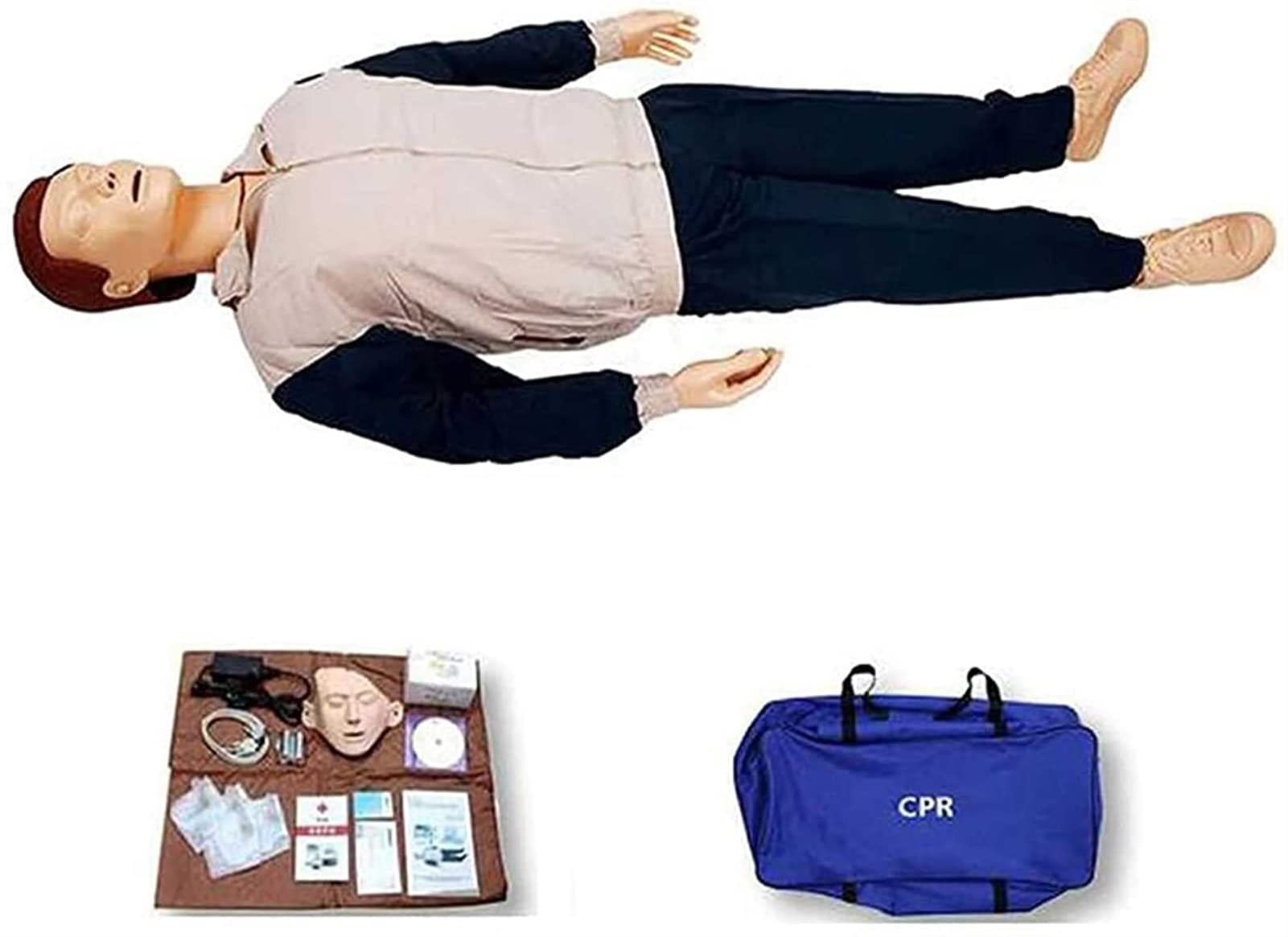
Expect instructors to incorporate demonstration, scenario job, and oversaw method. You will likely spend time carrying out CPR on manikins, using plasters, practicing how to position someone in a recovery placement, and working with simulated allergies. Good instructors make use of realistic situations that fit volunteer duties. As an example, a train at a jr soccer club could practise managing a head injury and trauma, while a market volunteer could rehearse an unrestrained hemorrhage from a cut.
Typical course durations vary by carrier, yet plan on one of these alternatives:
- a single-day, in person HLTAID011 Provide First Aid that runs about six hours, a different 1.5 to 2 hour HLTAID009 Give CPR course, or a mixed HLTAID011 where on-line concept cuts in person time to about 3 to four hours.
What a first aid course in Jandakot should include, almost speaking
A reliable first aid and CPR course for volunteers must provide several things past the certificate. First, it should involve hands-on practice with responses from trainers. Muscular tissue memory issues in emergencies; viewing alone is not enough. Second, analysis should demonstrate proficiency, not simply participation. That suggests functional jobs where the trainer observes and accepts right method. Third, the course ought to cover neighborhood systems: how to call for a rescue in Western Australia, how to share area information in Jandakot or surrounding suburbs, and what local support solutions are offered for follow-up care.
Training that attaches to actual volunteer scenarios has more long lasting worth. For a showing off club volunteer, that could indicate practicing using compression plasters while the event organiser gets the AED. For neighborhood transportation volunteers, it could consist of handling a diabetic emergency situation while arranging risk-free transfer. Instructors who require time to inquire about the volunteer duties present can tailor scenarios and leave participants with prompt, usable strategies.
Choosing a training provider in Jandakot: requirements that matter
Selecting where to research has to do with more than rate. Search for these indicators of quality: across the country recognised device codes on the certificate, clear information about assessment methods, tiny practical groups so every pupil gets time on manikins, and instructors with current very first responder or professional histories. Place centers matter for comfort and realism: area for several scenarios, a working AED on website or an instructor AED simulator, and tidy, hygienic manikins.
If you collaborate with at risk individuals or children, confirm the carrier covers HLTAID012 where needed and inquires about pertinent organisational policies, such as bronchial asthma or anaphylaxis monitoring treatments. For volunteer planners booking team training, ask whether instructors can take a trip to your facility. On-site training minimizes downtime for huge groups and lets the trainer layout circumstances around your actual space.
Cost factors to consider and time commitments
Pricing for first aid courses in the Perth city area ranges with style and company. Face-to-face incorporated first aid and CPR plans have a tendency to set you back more than CPR-only sessions, however they provide broader, acknowledged competency. Since prices shift, treat local rates as indicative instead of dealt with. What matters more is balancing expense against the deepness of training and number of participants. For community organisations, a well-run half-day HLTAID011 or a mixed plan frequently stands for the very best value: fewer hours out of volunteer routines and more powerful hands-on practice.
Anecdote from area training: a volunteer organizer reserved a mixed HLTAID011 for 20 club volunteers. Completing the theory online minimized the on-site time to three hours and left the group energised for circumstance job tailored to their set area and playing field. Individuals reported far better retention after doing scenarios in their real setting compared to previous courses at a training centre.
Keeping abilities in between official courses
Certification expiration days are one point, but ability discolor is actual. For CPR, efficiency tends to drop otherwise practised; upper body compression depth and proper rate suffer after months without hands-on sessions. For most volunteers, a yearly short sensible refresh keeps skills serviceable. That can be a 30 to 60 minute session run by a club safety and security policeman with a trainer-led presentation annually. Some local providers run neighborhood practice days where volunteers can reserve brief, affordable refresh sessions-- an effective way for bigger volunteer groups to maintain competency.
A useful list of what to bring to a course
- photo ID, and if you're restoring, your existing certificate if available comfortable clothes ideal for flooring work and kneeling water bottle, and any type of medicines you may need throughout the session for mixed courses, evidence of completed on the internet components if required by the provider a pen and notebook for taking useful suggestions and regional procedures
Common concerns volunteers ask, answered with practical judgment
How frequently do I require to restore my certificate? The formal need relies on organisation policy. Many companies and clubs approve a present HTLAID011 that is much less than 3 years old, with CPR updated every year. From a practical safety and security viewpoint, annual refresh for CPR and three-year renewal for full first aid strikes a reasonable balance.
Can I get a first aid certificate in Jandakot without hefty theory? Mixed courses let volunteers full theory online and spend the in-person session on abilities and circumstances. That format is effective, however ensure your service provider includes an extensive evaluation and appropriate hands-on time.
Are brief area CPR courses adequate? For prompt functional needs, a concentrated CPR course gives crucial abilities for cardiac arrest reaction. If your volunteer function may encounter blood loss, cracks, allergic reactions, or unconscious however breathing individuals, a full HLTAID011 course is the more secure choice.
What about anaphylaxis management for volunteer events? If your volunteers manage or serve food to youngsters or known allergy patients, first aid course for teachers make sure training covers recognition and administration of adrenaline auto-injectors. Lots of HLTAID011 courses consist of basic anaphylaxis action, but some organisations demand particular anaphylaxis courses or extra training linked to their policies.
Edge cases and compromises to consider
Training little teams at your location boosts scenario importance yet needs room and control. Off-site courses at a training centre are often much better resourced, with several manikins and AED fitness instructors, which assists when you want numerous method stations. Combined understanding decreases in person time, but theory-only online components without sensible analysis want for expertise. For volunteers with restricted schedule, brief practical CPR refresher courses supply meaningful skill upkeep, but they do not change a full first aid course where wound treatment, fractures, and shock monitoring are covered.
Practical steps for volunteer supervisors organising training
First, study your volunteers to recognize duties and previous training. That helps establish the number of need full HLTAID011 versus a CPR upgrade. Second, check the carrier's credentials and request a sample course synopsis revealing system codes. Third, coordinate dates to reduce disruption, consider mixed styles to reduce on-site hours, and verify whether the instructor can tailor circumstances to your organisation's common incidents. 4th, keep documents: log certificates, expiration days, and any type of unique notes such as allergic reactions among volunteers or clearance for working with youngsters. Lastly, strategy low-priced interim refreshers, such as an annual 45-minute CPR and AED session with a manikin rotation.
Local logistics and emergency contacts
Knowing the fastest method to get specialist aid in Jandakot matters. Volunteers must have the ability to offer clear place details to emergency services, consisting of spots, closest junctions, and whether a site has restricted car accessibility. If your occasion is on private property with a narrow entryway, prepare an ambulance access map and share it with -responders. Have a list of regional centers and urgent care facilities for non-life-threatening follow-up, and maintain emergency situation get in touch with details for arranging bodies and vital volunteers.
Measuring training results-- how to recognize whether training "worked"
Certificates indicate completion, however practical end results are gauged in confidence and observed efficiency. After courses, track a couple of things: exactly how volunteers perform in simulated drills, quality and rate of interaction during real incidents, and whether volunteers make use of the appropriate series of actions for top priorities such as airway, breathing, blood circulation. Also gather post-course responses: did participants feel ready for the scenarios probably in their duties? Use that comments to form future training sessions and to persuade stakeholders of the value of duplicated, scenario-based practice.
Final functional notes for volunteers Get more info intending to train in Jandakot
Choose a course that plainly lists the across the country identified unit codes if you desire a first aid certificate that employers and organisations accept. Ask exactly how evaluations are performed and how many practice cycles you will certainly jump on vital skills like CPR and bandaging. For community teams, think about batch reservations so a constant friend obtains the very same training and treatments. Bear in mind that training is not a one-off financial investment. Arrange yearly useful refresher courses and a full first aid revival according to organisational plan and the realistic requirements of the volunteer roles.
If you are a volunteer coordinator searching for a starting point, begin with a brief survey of your team's responsibilities and prior credentials, then goal to have at the very least one third of energetic volunteers hold a current HLTAID011 at any moment, with the remainder upskilled within 12 months. That distribution assists make certain insurance coverage at events and provides freedom for individuals who rotate tasks or end up being briefly unavailable.
First help training in Jandakot equips volunteers to act with proficiency and calmness. Practical, scenario-based courses that consist of across the country recognised systems supply both the certificate and the muscle memory required when seconds count. With reasonable preparation, normal refresher courses, and training customized to local tasks, neighborhood volunteers end up being trustworthy very first -responders that secure people and help emergency services do their work much faster and safer.