Attending a CPR refresher course in Jandakot is more than ticking a conformity box. It is a possibility to tighten muscular tissue memory, update expertise on tiny however vital guideline adjustments, and construct the self-confidence to act emphatically when a real emergency situation arrives. This article collects practical suggestions drawn from years of training and exercising first aid, with details notes for people taking a CPR correspondence course Jandakot, whether you are restoring an office need, keeping a first aid certificate Jandakot, or simply keeping your abilities sharp.
Why a short refresher issues CPR is a skill that degrades with time. Compression deepness, rhythm, and the confidence to begin resuscitation are all points pupils report shedding within months otherwise practiced. A refresher course compresses the essential actions into hands-on reps and brief situation work. For those in Jandakot who function around heavy machinery, in childcare, or in remote sites, a quick, well-run CPR training Jandakot session can be the difference between doubt and action.
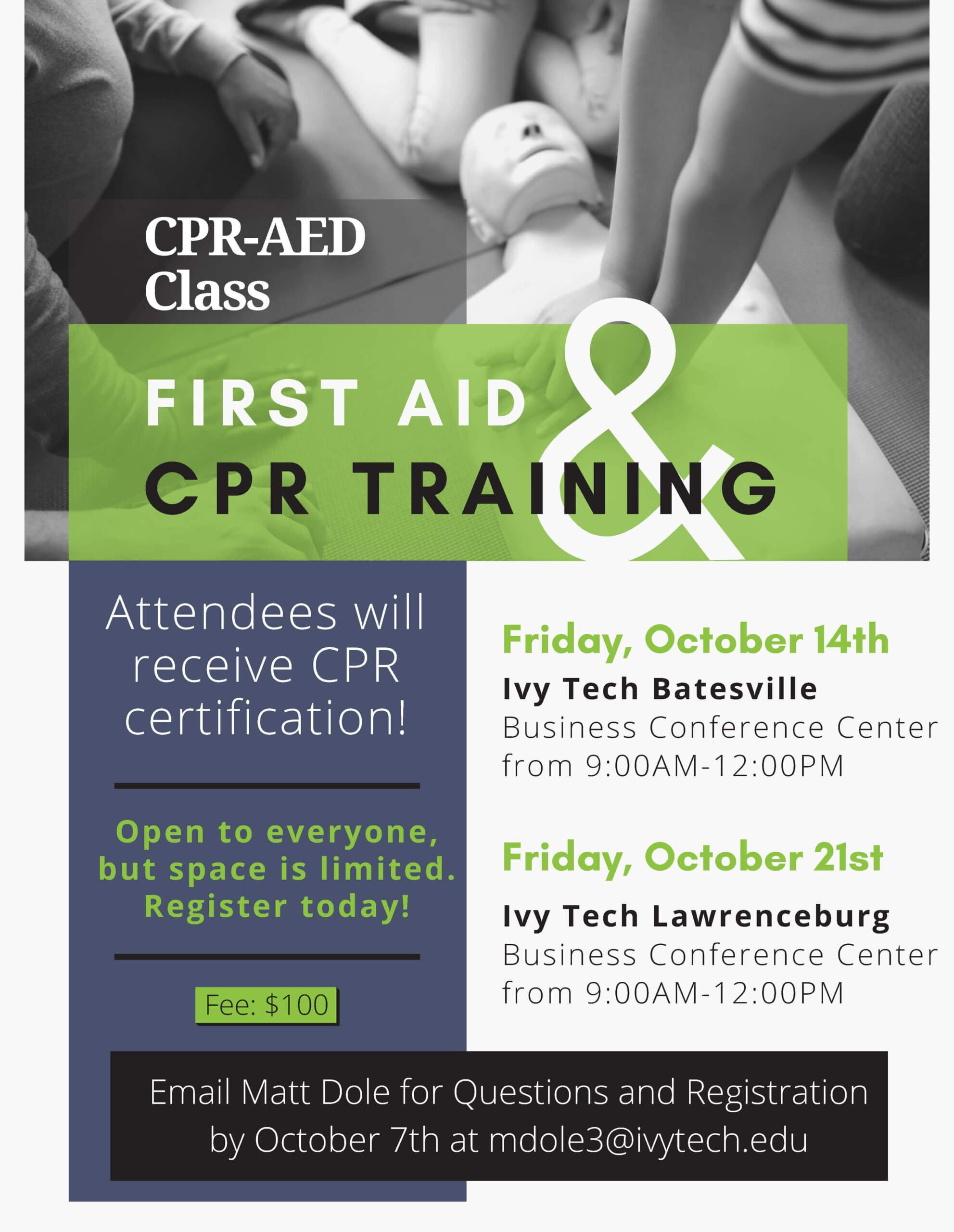
Before the course: useful preparation The majority of CPR correspondence course are brief, commonly 3 hours or much less, and think individuals have previous training. To make the most of that limited time, arrive prepared.
What to offer your CPR refresher course Jandakot
- current first aid certificate or proof of prior course if needed by the provider comfortable clothes that allows upper body compressions and kneeling personal ID and any workplace documents for certification reading glasses if you need them for created analysis components a canteen and light treat if the course goes through a break
Arriving with these things speeds administration and gives you a lot more sensible method time. If you are unsure where the training supplier is located in Jandakot or you require auto parking info, inspect the carrier's site or call ahead. Some places have actually restricted vehicle parking, and neighborhood public transportation alternatives vary.
Mindset and objectives for the day Set clear, achievable objectives prior to you walk in. Instead of "come to be a master," aim for sensible outcomes such as bring back proper compression depth and hand setting, confidently making use of a public accessibility AED, and understanding when to rise to advanced treatment. Inform yourself that the day is about repeating and responses. A single hour of purposeful practice with a teacher's modification will outshine several hours of unguided reading.
What trainers look for Teachers try to find a handful of things that divide a competent rescuer from an unclear one. One of the most typical locations requiring modification are hand position, compression depth, complete breast recoil, compression-to-ventilation proportion when performing rescue breaths, and the speed of compressions. Another frequent problem is the hold-up prior to starting compressions while waiting for an AED or overchecking the casualty.
If you intend to thrill the assessor and, extra significantly, be effective in reality, focus on these few practices: begin compressions early, maintain compressions company and constant, jandakot first aid courses allow complete recoil, and lessen interruptions. Instructors frequently provide live and video clip comments; lean into that critique. It is the fastest path to improvement.
Refining hands-on method Compression deepness and price are non-negotiable. For grown-up CPR, aim for a compression depth of around 5 to 6 centimeters and a price of 100 to 120 compressions per min. You can maintain the rhythm by thinking about acquainted tunes that match that pace; "Stayin' Alive" is generally utilized, however you ought to choose something that aids you maintain also strokes without rushing.
Hand positioning is similarly easy but easy to misunderstand. Area the heel of one hand on the lower fifty percent of the sternum, interlock the various other hand on top, straighten your arms, and use your body weight rather than arm toughness. When you tire, button rescuers preferably every two mins to keep premium compressions.
If you are exercising on a manikin, trainers will commonly call for a minimum percentage of reliable compressions across the session. Treat each repeating as a genuine attempt. Eyes on the upper body, really feel the recoil, and pay attention to the manikin or feedback device.
Practical breathing and air passage pointers Rescue breaths develop pressure and volume that can sustain oxygenation, however they are a common resource of error. Expect an adequate head tilt and chin lift. Squeeze the nose, create a complete seal over the mouth, and supply a breath over one 2nd, looking for visible chest rise. If the chest does not climb, rearrange the head and try once again. When spectators are reluctant to give mouth-to-mouth, chest-compression-only CPR serves for untrained rescuers and is far better than no action.
Using an AED in real settings AEDs are made for fast usage by laypeople and specialists alike. Most devices direct the rescuer with voice prompts and require couple of decisions. That said, method issues. Throughout the refresher, get comfortable with pad placement and fast pad elimination, and be calculated about clearing the casualty before supplying a shock. Note that drugs or implanted devices can alter where you position the pads a little; trainers will certainly cover crucial exceptions.
If you're likely to operate in a setup with a specific brand name of AED in Jandakot, ask the training carrier whether you can practise on a comparable version. Muscle mass memory for pad positioning, speaking with the tool motivates, and recognizing just how to manage a perturbed onlooker are all transferable skills.
Managing circumstances and onlookers Actual emergency situations are unpleasant. An individual falling down in an active space produces sound, confusion, and competing guidance. Excellent practice integrates basic communication and direction. Voice a clear, solitary direction to a bystander-- for instance, ask a person details to call emergency services and another to get an AED. Usage short, assertive language: call the task and the individual. Individuals respond better to guide assignments than vague pleas.

Work with at least two situations throughout your refresher: one where you are the single rescuer, and another with a minimum of one assistant. Instructors often observe that team effort and function assignment enhance the chain of survival significantly.
Legal and workplace factors to consider in Jandakot In Western Australia, having a valid first aid certificate Jandakot may be an office need depending on your sector. Validate with your employer whether they approve an on-line component or require face-to-face training. Some companies require an annual CPR refresher course Jandakot for team in high-risk functions; others approve the standard renewal cycle from jandakot first aid nationwide training packages.
If your duty calls for a certain course, like a first aid and CPR course Jandakot that consists of HLTAID011 or comparable devices, examine the training carrier's accreditation and whether the certificate straightens with your work environment policy. Maintain a copy of your updated certificate available for audits and emergency lineup planning.
Assessment and passing with confidence Refresher evaluations are typically sensible and short. The sensible analysis will look for appropriate compressions, proper use of AEDs, and secure respiratory tract monitoring. If there's a written aspect, it commonly checks expertise of the chain of survival and current standard changes.
When you feel worried, use the breath-count technique. Time out for a sluggish inhale and breathe out prior to starting the dry run. Centering yourself for a couple of secs minimizes rush, increases attention to method, and decreases the risk of avoiding essential actions. If you make a tiny mistake, fix it right away; assessors value healing and modification greater than perfection.
Common errors and just how to prevent them Several predictable errors repeat in every refresher class. First, rescuers frequently undervalue complete breast recoil since they bother with shedding compression depth. It is better to lower depth a little than to prevent recoil. Second, lots of people stop briefly too long to check for a pulse. Existing guidelines emphasize inspecting responsiveness and breathing visually and beginning compressions if unsure. Third, rescuers regularly hesitate to use an AED because they misunderstand its safety account. AEDs will certainly not deliver a shock unless a shockable rhythm is present.
Practical troubleshooting for loud or jampacked scenes If a scene is noisy, make sure that you or a helper places a phone on audio speaker when talking to emergency situation send off. Dispatchers can assist compressions and track the time to sophisticated treatment. If groups gather, draw apart a couple of individuals and give them easy duties, such as getting rid of space, routing web traffic, or making certain somebody awaits emergency situation solutions at the residential or commercial property entry. That little step conserves minutes.
After the occasion: paperwork and psychological first aid If you use skills outside training, document the case with unbiased facts: time, actions taken, use of AED, and the arrival time of ambulance services. This record will help workplace event reporting and may inform future training priorities.
One commonly ignored aspect is emotional effect. Rescuers in some cases experience post-event tension, also when the result is great. Training companies in Jandakot might provide debrief pointers or recognize neighborhood assistance solutions. Encourage colleagues to take a short debrief with a supervisor and to look for support if they really feel nervous in the days adhering to an emergency.
Refreshing expertise in between official classes Brief, regular practice beats seldom marathon sessions. If you can not participate in a formal course quickly, technique these micro-routines once a week: 30 secs of breast compressions on a soft surface, one cycle of AED pad positioning on a practice manikin, and a testimonial of essential steps in your head. These five-minute drills preserve pattern recognition.
If you have access to a comments manikin or mobile phone application that measures compression deepness and rate, utilize it. Seeing data aids you appropriate mechanical faults swiftly. Several training facilities around Jandakot provide open practice outside main course times; ask your company about practice slots.
Choosing the best company in Jandakot Not all first aid training is identical. Try to find service providers with country wide identified accreditation, trainers that are active specialists, and courses that include hands-on AED practice. Read company summaries for terms like first aid and CPR course Jandakot, first aid training in Jandakot, and cpr refresher course Jandakot, however prioritize demonstrated high quality. Reviews from workplaces in comparable markets can reveal whether the supplier adapts to real-world conditions, like noisy worksites or outside settings.
If you have a work environment instructor, ask whether they carry out scenario-based discovering that mirrors your atmosphere. If your job includes youngsters, animal interaction, or chemical direct exposure, ensure the refresher course includes appropriate circumstance practice.
Specific considerations for work environment and high-risk settings For those operating in building and construction, logistics, or remote procedures near Jandakot, take into consideration a broadened refresher course that consists of handling crush injuries, controlling severe blood loss, or packaging individuals for transport. While these are beyond basic CPR skills, having a more comprehensive first aid ability reduces the time to crucial treatments before the rescue arrives.
In healthcare or child care roles, students ought to anticipate more stringent analysis requirements. Kid and infant CPR techniques differ, including compression deepness and using rescue breaths. Validate that the refresher course covers the age appropriate to your work.
How typically should you refresh? Conventional suggestions vary, yet numerous offices call for CPR refresher courses annually and complete first aid revivals every three years. If you have routine direct exposure to at-risk circumstances, consider pressing in a short CPR training Jandakot session every 6 months. Maintain a calendar suggestion linked to your certificate expiry to prevent gaps.
Real-world anecdote During an early morning shift at a light-industrial website near Jandakot flight terminal, a colleague suddenly fell down while running a pallet lifter. The onsite very first aider had actually taken a three-hour CPR refresher course 2 months previously and quickly began compressions, routed a teammate to call emergency situation services, and sent out another person for the AED. The AED evaluation called for two shocks prior to return of spontaneous flow. Had the team waited to start compressions while waiting for the AED, the result may have been different. That instance highlights exactly how brief practice and clear role job equate right into realities saved.
Final functional list prior to you leave for class
- confirm course time, venue, and car park or transport details bring qualification paperwork and identification wear comfy apparel and prepare for hands-on practice set an individual goal focused on two technological actions to improve arrive very early to take care of administration and maximize functional time
Attending a CPR correspondence course Jandakot is an investment in preparedness. The abilities are simple yet require repeating, honest responses, and situational judgment. When you incorporate calculated practice with situation training and clear communication strategies, you leave not only with renewed qualification however with the proficiency to act very early and efficiently. If you operate in or near Jandakot, prioritize a carrier that emphasizes hands-on AED use, sensible circumstances, and trainer critique, and preserve brief method between courses to maintain your hands and mind prepared.